
We quite often get bogged down in glorious frames for tracklocross and neglect tyres, which, I would argue, can make a bike feel more alive than spending thousands on a frame. We don’t even need to spend a fortune on tyres, careful choices and thinking before purchase can bring you the best value upgrade for your bike.
Tracklocross (Ok, cyclocross) tyres come in three main varieties of tread patterns, each designed to suit different riding conditions. Understanding the strengths and weaknesses of each type will help you make informed choices based on where you live and your personal riding style.
File Tread Tyres
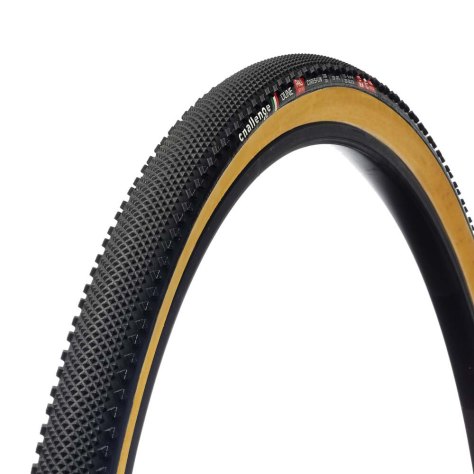
Best for: Dry, hard-packed surfaces, grassy fields, and frozen ground.
Description:
File tread tyres are characterised by a tightly packed, low-profile centre tread that resembles a fine grid or diamond-shaped pattern. These tyres provide minimal rolling resistance, making them an excellent choice for fast, dry courses where speed is paramount. The side knobs on file tread tyres tend to be more pronounced to provide cornering grip when the bike is leaned over.
Advantages:
- Low rolling resistance, allowing for higher speeds.
- Excellent performance on firm surfaces such as grass, tarmac, and dry dirt.
- Lightweight and efficient, making them ideal for races with minimal technical challenges.
Disadvantages:
- Poor performance in muddy or loose terrain, as the shallow tread offers little traction.
- Limited grip on wet or slippery surfaces, increasing the risk of losing control in corners.
File Tread Tyres:


When to Use:
File treads are ideal for dry conditions, late summer grass crits, or when you need to hit road sections as much as offroad sections.
Intermediate Tread Tyres

Best for: Mixed terrain with varying conditions, such as dry-to-damp dirt, grass, and light mud.
Description:
Intermediate tread tyres strike a balance between speed and grip by featuring a combination of closely spaced centre knobs and more aggressive, widely spaced side knobs. This design allows the tyre to roll efficiently on firm ground while providing sufficient traction when conditions become more unpredictable.
Advantages:
- Versatility, making them suitable for a wide range of conditions.
- Good grip on loose or slightly muddy surfaces without excessive rolling resistance.
- Reliable cornering grip with enhanced side knob support.
Disadvantages:
- Not specialised for extreme conditions such as deep mud or sand.
- May not provide the fastest rolling speed compared to file tread options on firm surfaces.
Intermediate Tread Tyres:
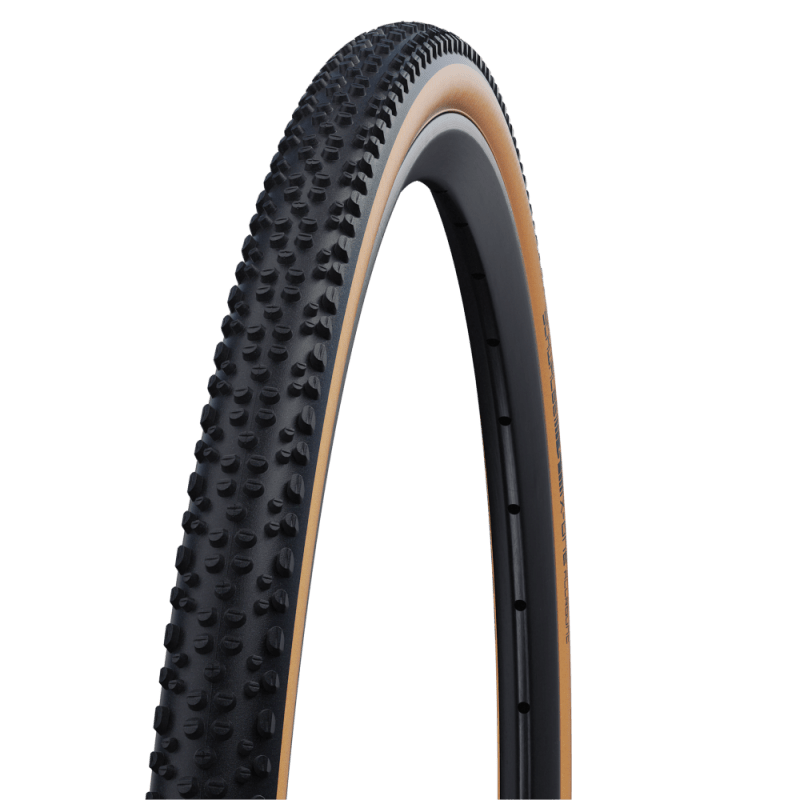
When to Use:
Intermediate tread tyres are ideal for general-purpose riding, where the terrain and weather conditions are unpredictable. They are often a favourite choice for riders who want a “one tyre for all conditions” setup.
Mud Tread Tyres
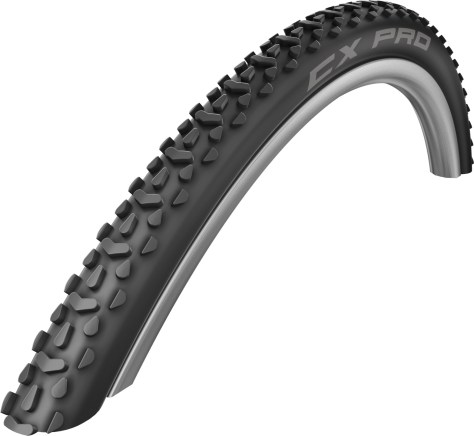
Best for: Wet, muddy, and loose terrain with challenging conditions.
Description:
Mud-specific tyres feature aggressive, widely spaced knobs that provide maximum traction in deep, wet, or slippery conditions. The knobs are designed to shed mud effectively, preventing clogging and maintaining grip even in the most adverse conditions.
Advantages:
- Excellent grip in deep mud and loose conditions.
- Effective mud shedding to maintain traction and control.
- Improved braking and cornering confidence in challenging weather.
Disadvantages:
- Increased rolling resistance on hard surfaces, making them slower on fast courses.
- Heavier compared to file tread or intermediate options.
- Less control on dry and compacted surfaces due to the higher knobs.
Mud Tread Tyres:


When to Use:
Mud tread tyres are the go-to choice for wet and muddy conditions, where grip and control take precedence over speed.


 Fiefdom Tracklocross
Leave a reply to Neil Morrison Cancel reply