
As conditions get muddier, tracklocross gets more fun, yet you need more grip in those situations. How do your tyres grip in the mud? Is it magic or science? Sadly, the answer is not magic, but a tracklocross ride will always feel magical.
The Basics of Tyre Grip
Before delving into mud-specific scenarios, it is essential to grasp the fundamentals of how tyres generate grip. In general, tyre grip arises from two primary mechanisms: mechanical interlocking and adhesion.
Mechanical Interlocking
This occurs when the tread of the tyre physically engages with irregularities in the terrain. The more pronounced the tread pattern and the more textured the surface, the more opportunity there is for interlocking. In muddy conditions, this is often the dominant mechanism, especially when the mud is too slippery for adhesive forces to be effective.
Adhesion
Adhesion refers to the molecular attraction between the rubber compound of the tyre and the surface it contacts. This is more prominent on dry or tacky terrain, but becomes less effective when mud acts as a lubricating layer between the tyre and the ground.
Grip in mud, therefore, relies primarily on the tyre’s ability to penetrate the mud layer and reach more solid substrate, or to maintain traction within the viscous layer itself through effective tread design and optimal tyre pressure.
The Nature of Mud and Its Impact on Traction
Not all mud is created equal. Understanding the diverse characteristics of mud can help explain why certain tyres perform better in specific conditions.
Mud Composition
Mud is a combination of water, soil, organic matter, and sometimes clay. The exact composition influences how slippery, sticky, or loose it feels under a tyre.
Key Properties Affecting Grip
- Viscosity: Thick, viscous mud can clog treads and increase rolling resistance, while thin, watery mud reduces friction.
- Adhesiveness: Some mud sticks to the tyre, adding weight and altering tread functionality.
- Depth: Deeper mud requires tyres with larger knobs for effective penetration and grip.
- Underlying Terrain: Mud over hardpack behaves differently than mud over loose gravel or sand.
Sadly, you will not just be able to pick one tyre and only ride in one type of mud, you are going to discover lots of different styles of mud on a ride and you’ll always have to pick a compromise tyre wise.
Tyre Design and Grip: Key Features
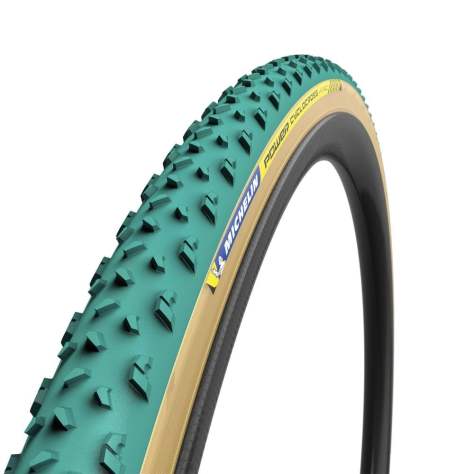
A bicycle tyre’s ability to provide grip in mud is largely dictated by its design characteristics. Tyre engineers spend countless hours refining tread patterns, rubber compounds, and construction techniques to optimise performance under specific conditions. Let’s examine the critical components in detail.
Tread Pattern
The tread pattern is perhaps the most immediately recognisable aspect of a mud tyre. In muddy conditions, it plays a crucial role in bite, clearing, and stability.
Tread Lugs
Mud tyres often feature large, widely spaced knobs or lugs. These dig into the soft surface, offering mechanical grip. The spacing is key,tight tread packs up quickly in mud, leading to a “bald” tyre effect. Widely spaced knobs allow for self-cleaning, where mud is ejected from the tread as the tyre rotates.
Directional Patterns
Many mud tyres use a directional tread layout, with chevron-shaped lugs that help shed mud and improve traction when accelerating or braking. Side lugs are typically more aggressive to aid in cornering, providing lateral grip even when the tyre is sliding slightly.
Centre Ridges
Some tyres include a subtle centre ridge or intermediate knobs to strike a balance between straight-line speed and mud shedding. Cyclocross tyres often exhibit this feature to ensure decent speed on varied surfaces.
Tyre Width and Profile
Mud-specific tyres often adopt a narrower profile, handy as classic tracklocross demands narrow tyres, compared to dry-terrain tyres. This may seem counterintuitive, but narrower tyres penetrate mud more effectively, reaching firmer ground below.
Benefits of Narrow Tyres in Mud
- Penetration: Narrow tyres cut through mud like a knife, improving grip.
- Reduced Surface Area: Less surface contact means less drag in deep mud.
- Better Clearance: Narrow tyres avoid clogging up frame and fork clearance, which is especially important in cyclocross.
Mountain bike tyres used for mud may still be wider, but with careful tread design and frame clearance considerations.
Rubber Compound
Rubber compound affects how the tyre deforms over terrain and how well it grips under load. In mud, softer compounds can mould around uneven surfaces, offering improved traction.
Considerations for Mud
- Soft Compounds: Provide better grip but wear faster.
- Temperature Sensitivity: Cold weather affects rubber hardness; a tyre that’s soft in summer might become too stiff in winter mud.
- Durability: Tyres used in wet and abrasive mud conditions must balance softness with resistance to tearing.
Some brands now offer compound blends that retain softness in cold, wet conditions, making them ideal for winter mud.
Tyre Pressure
Adjusting tyre pressure is one of the most effective ways to increase grip. Lower pressure allows the tyre to deform, increasing the contact patch and enabling knobs to conform to terrain irregularities.
In Mud
- Lower pressure increases flotation in deep mud and enhances grip.
- Too low, and you risk burping in tubeless setups or pinch flats in tubed tyres.
- Pressure must be tailored to rider weight, tyre volume, terrain type, and rim width.
Tyre Carcass Construction
The carcass refers to the underlying structure of the tyre,layers of fabric and rubber that determine its flexibility, weight, and durability.
- Supple Casings: Conform better to terrain, offering more grip.
- Reinforced Sidewalls: Resist pinch flats and damage in rocky or rooty mud tracks.
- Ply Count: Higher ply count tyres are tougher but may be stiffer, reducing traction.
Types of Mud and Corresponding Tyre Strategies
Each type of mud presents unique challenges. Choosing the correct tyre for the conditions can be the difference between maintaining traction and wallowing helplessly.
Wet and Slippery Mud
- Features: Watery, shallow, surface-level slickness.
- Tyre Strategy: Look for aggressive side knobs and a directional tread pattern. Moderate width helps reduce float and increase penetration.
- Pressure Tip: Slightly lower pressure to improve contact patch without sacrificing sidewall stability.
Sticky Clay
- Features: Highly adhesive, clings to frame and tyres, clogs treads quickly.
- Tyre Strategy: Prioritise self-cleaning ability,very widely spaced lugs. Narrower tyres help reduce buildup.
- Pressure Tip: Moderate pressure to balance grip with rolling resistance. Too low increases clogging risk.
Thick and Claggy Mud
- Features: Deep, energy-sapping mud, often with hidden obstacles.
- Tyre Strategy: Large, tall knobs for bite, strong sidewalls for protection, and lightweight construction for ease of acceleration.
- Pressure Tip: Lower pressure to “float” across the top layer, especially if underlying terrain is soft.
Sandy or Silty Mud
- Pressure Tip: Slightly lower pressure helps increase surface area and avoid sudden loss of traction.
- Features: Granular mud that shifts easily, often found near rivers or beaches.
- Tyre Strategy: Mid-volume tyres with lower-profile tread that offers consistent bite without digging too deep and bogging down.
 Fiefdom Tracklocross
Leave a Reply