
I’ve been looking at classic and progressive tracklocross frames recently, and I see more and more tapered head tubes; indeed, I even have a bike with one now, but what is the difference between a tapered head tube and a straight head tube?
Traditionally, the 1 1/8″ straight steerer and headset have been the industry standard, but in recent years, tapered head tubes have gained popularity. Each system has distinct advantages and trade-offs influencing bike handling, weight, stiffness, and overall ride experience. In this article, we’ll break down the differences between 1 1/8″ headsets and tapered head tubes, particularly in the context of tracklocross.
What Are 1 1/8″ Headsets?

A 1 1/8″ headset refers to a steering system where the diameter of the steerer tube and headset measures 1 1/8 inches throughout its length. This system has been the standard for many years due to its simplicity and widespread compatibility.

Advantages of 1 1/8″ Headsets:
- Simplicity and Compatibility: Since this design is ubiquitous, finding components and replacements is easy and affordable. Nearly all stem and fork manufacturers support 1 1/8″ systems.
- Lightweight Design: The straight steerer and smaller headset diameter reduce material usage, which can lead to a lighter front end.
- Streamlined Aesthetics: The uniform diameter creates a clean, minimalist look that appeals to traditionalists and purists in the cycling community.
Disadvantages of 1 1/8″ Headsets:
- Limited Stiffness: Compared to tapered systems, the smaller diameter lacks the rigidity needed to maximise front-end stiffness during aggressive sprinting or cornering.
- Reduced Aerodynamic Optimisation: Aerodynamics are less prioritised with this setup, which is probably not really a disadvantage in tracklocross, but it is mentioned everywhere and is a reason why track bikes are going this way.
What Are Tapered Head Tubes?
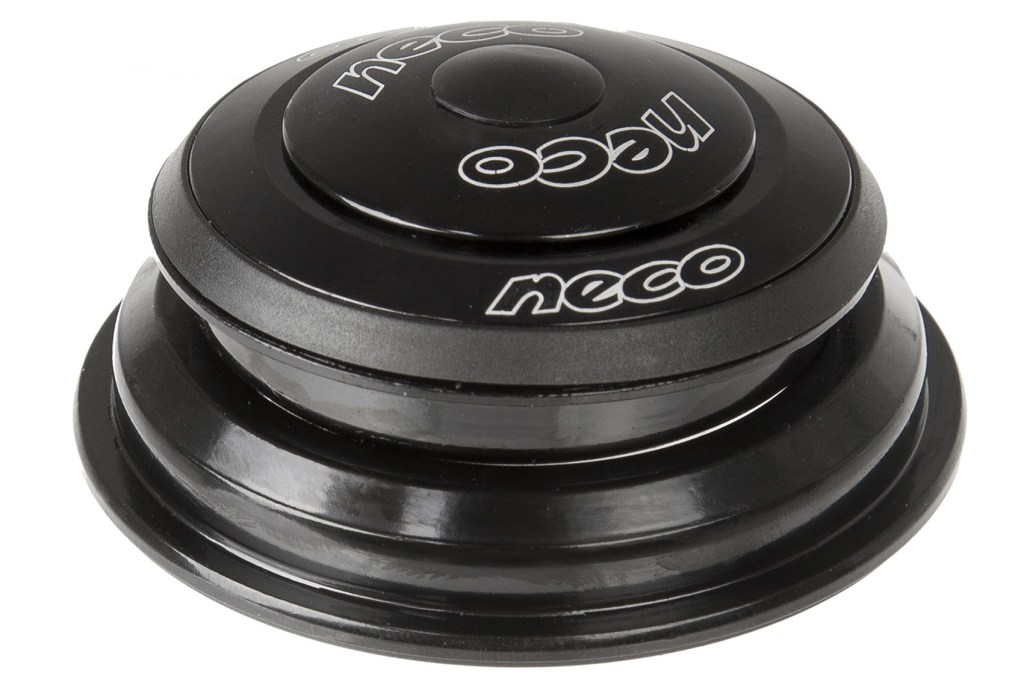
A tapered head tube refers to a fork system where the steerer tube widens from 1 1/8″ at the top to 1 1/2″ or larger at the bottom. This design is increasingly common in modern track bikes.
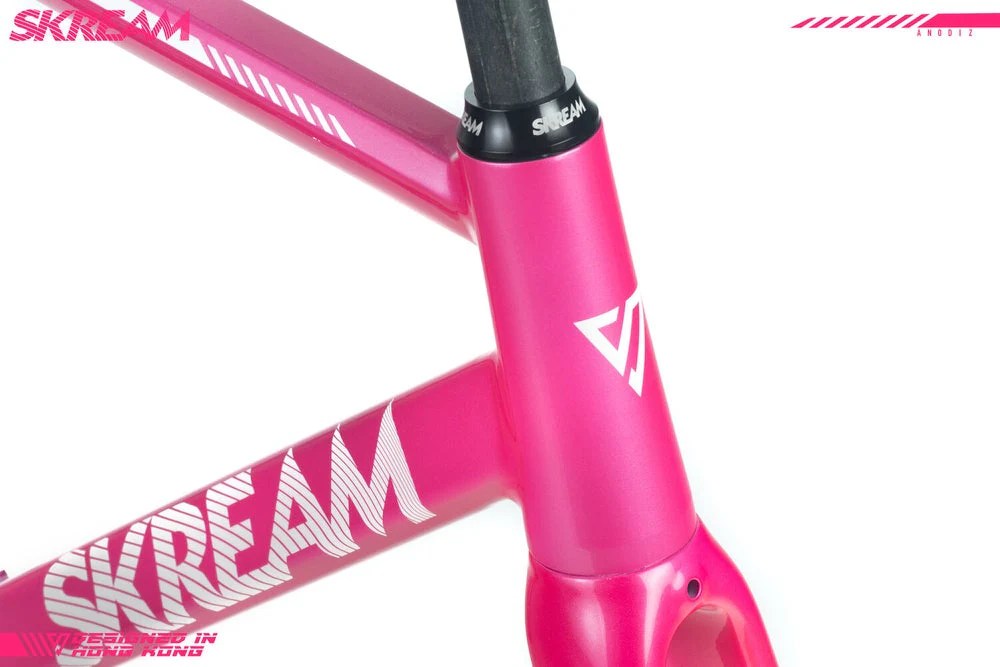
Advantages of Tapered Head Tubes:
- Enhanced Stiffness: The wider diameter at the bottom improves rigidity, particularly during hard sprints or fast cornering, where a stiffer front end translates to better power transfer and control.
- Improved Aerodynamics: Modern tapered head tubes often integrate seamlessly with the bike’s frame and fork, reducing drag and enhancing speed—an essential factor in track cycling.
- Versatility: The larger diameter allows for integration with advanced fork designs and oversized bearings, which can contribute to smoother handling and improved durability.
- Future-Proofing: As more high-end track bikes adopt tapered systems, choosing this option ensures compatibility as the bike trade tries to sell you more shiny trinkets.
Disadvantages of Tapered Head Tubes:
- Increased Weight: The additional material required for the wider steerer and head tube results in a slightly heavier setup, though this is often negligible for competitive cyclists.
- Reduced Component Compatibility: Tapered headsets and forks are not always compatible with older or more traditional frames, limiting options for riders who mix and match components.
- Higher Costs: The new design and materials often have a steeper price tag than the more affordable 1 1/8″ systems.
The Role of Head Tube Design in Track Cycling
I will focus on track frames here, as essentially that is what a tracklocross frame is, and changes will come here first.
Track cycling places unique demands on bike geometry and componentry. Riders must navigate tight gaps at high speeds, sprint with explosive power, and maintain stability in close quarters. As such, choosing between a 1 1/8″ headset and a tapered head tube can significantly impact performance.
1 1/8″ Headsets in Track Cycling:
For riders who value simplicity, affordability, and compatibility, the 1 1/8″ system remains a viable choice. It’s particularly well-suited for those participating in less demanding events where ultimate stiffness and aerodynamics are not critical.
Tapered Head Tubes in Track Cycling:
Tapered head tubes offer a distinct edge for elite athletes and serious competitors. The enhanced stiffness allows for better power transfer during sprints, while the improved aerodynamics and modern design can shave valuable fractions of a second off lap times.
Choosing the Right System for Your Needs
The decision between a 1 1/8″ headset and a tapered head tube ultimately depends on your priorities as a rider. Consider the following factors:
- Performance Goals: Are you a competitive racer aiming for peak performance? If so, a tapered head tube may be worth the investment.
- Budget: If cost is a concern, the 1 1/8″ system offers excellent performance at a lower price point.
- Aesthetic Preferences: Some riders prefer the clean, classic look of a 1 1/8″ headset, while others are drawn to the sleek, modern appearance of tapered systems.
- Component Availability: Consider the availability of compatible forks, stems, and headsets for your chosen system, especially if you plan to upgrade or replace parts in the future.
The Future of Track Bike Design
As technology advances, the trend toward tapered head tubes in high-performance track bikes shows no signs of slowing. Innovations in materials, manufacturing techniques, and aerodynamics will likely make tapered systems even more efficient and accessible.
However, the 1 1/8″ system is unlikely to disappear entirely. Its simplicity, reliability, and cost-effectiveness ensure that it remains a popular choice for many cyclists.
Conclusion
The differences between 1 1/8″ headsets and tapered head tubes on track bikes highlight the diverse needs and preferences within the cycling community. Whether you prioritise stiffness and aerodynamics or value simplicity and affordability, understanding these distinctions will help you make an informed decision when selecting your next tracklocross bike.


 Fiefdom Tracklocross
Leave a Reply