
Fixed gear and coasting represent two distinct concepts in the realm of cycling, particularly in the context of bicycle drivetrains. These terms describe how a bicycle’s drivetrain operates and how the rider interacts with it while cycling. Let’s explore each concept in detail to understand the key differences between fixed gear and coasting.
Fixed Gear Cycling

Fixed gear cycling, often referred to as riding a fixed gear or fixie, involves a bicycle with a drivetrain that lacks a freewheel mechanism. In a fixed gear setup, the rear cog is directly connected to the hub without any ability to coast. This means that whenever the bicycle is in motion, the pedals also rotate, requiring the rider’s legs to move in conjunction with the rotation of the wheels.
Key Characteristics
No Freewheeling: The defining feature of a fixed gear bicycle is the absence of freewheeling. This means that the pedals are in constant motion whenever the bicycle is moving, regardless of whether the rider is actively pedalling or not. As a result, the rider cannot coast or stop pedalling while the bicycle is in motion.
Direct Power Transmission: Since the pedals are directly connected to the rear wheel, there is a direct transfer of power from the rider’s legs to the drivetrain. This direct power transmission can provide a unique riding experience, allowing for a more connected and responsive feel between the rider and the bicycle.
Controlled Braking: Braking on a fixed gear bicycle is typically achieved by applying backward pressure on the pedals or by using a separate brake system if installed. When the rider applies backward pressure on the pedals, it causes the rear wheel to slow down, thereby slowing the bicycle. This method of braking requires skill and practice to master, as it differs from traditional braking systems found on freewheel-equipped bicycles.
Simplicity: Fixed gear bicycles are often prized for their simplicity and minimalistic design. With fewer components involved in the drivetrain, maintenance and repairs can be relatively straightforward compared to more complex drivetrain configurations.
Advantages
Simplicity: Fixed gear bicycles have a minimalist design with fewer moving parts, which can lead to easier maintenance and a cleaner aesthetic.
Connected Feel: The direct power transmission provides a unique riding experience that some cyclists find more engaging and connected to the road.
Skill Development: Riding a fixed gear bicycle requires mastering techniques such as skidding, track standing, and backward pedalling, which can enhance a rider’s overall cycling skills and bike handling abilities.
Disadvantages
Limited Terrain Compatibility: Fixed gear bicycles may not be well-suited for hilly terrain or long-distance rides, as the constant pedalling can be physically demanding, especially when climbing steep gradients.
Safety Concerns: The inability to coast or freewheel means that riders must always be mindful of their pedal position, particularly when approaching obstacles or making quick stops. Additionally, the unconventional braking method may require additional time to master and can pose challenges in emergency situations.
Muscle Fatigue: Riding a fixed gear bicycle requires continuous leg movement, which can lead to muscle fatigue, especially during long rides or when tackling challenging terrain.
Coasting
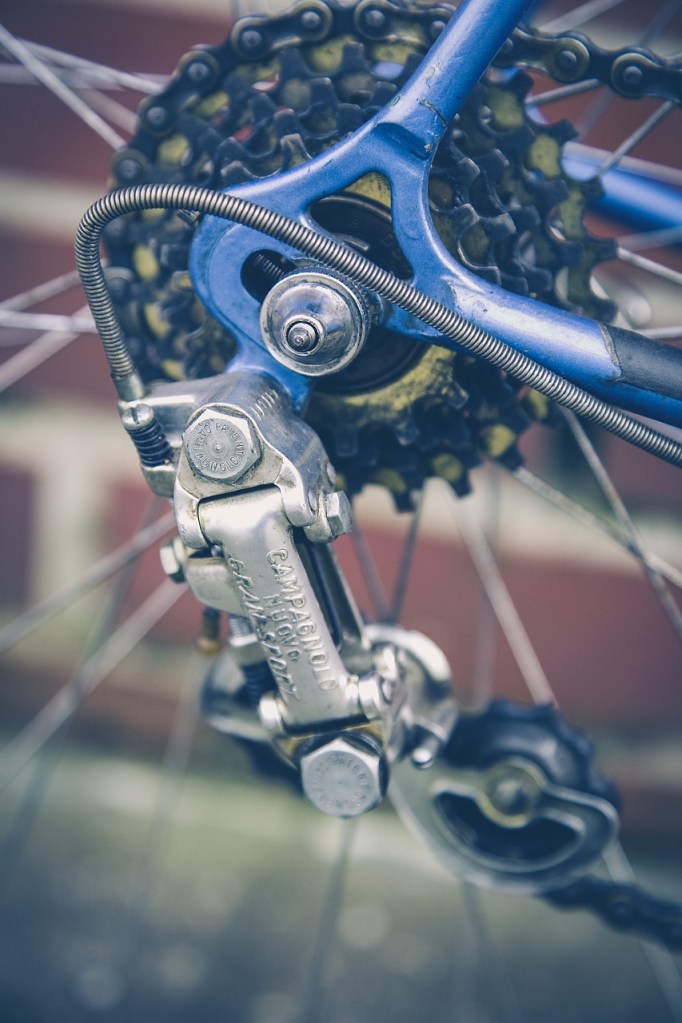
Coasting, also known as freewheeling, refers to the ability of a bicycle’s drivetrain to disengage the pedals from the rear wheel, allowing the rider to stop pedalling and let the bicycle roll forward without the need to continuously rotate the pedals.
Key Characteristics
Freewheel Mechanism: In bicycles equipped with a freewheel, the rear cog is mounted on a freewheel mechanism, allowing it to rotate independently of the wheel hub when the pedals are not being actively rotated by the rider. This enables the rider to the coast or roll forward without pedalling simply by allowing the bicycle’s momentum to propel it forward.
Variable Pedaling: Unlike fixed gear bicycles, where the pedals are always in motion when the bicycle is moving, coasting allows the rider to vary their pedalling cadence or stop pedalling altogether while the bicycle continues to roll forward.
Standard Braking: Coasting bicycles typically use standard braking systems such as rim brakes, disc brakes, or coaster brakes to slow down or stop the bicycle. These braking mechanisms are activated independently of the pedal motion and provide more familiar braking control for most riders.
Versatility: Bicycles equipped with a freewheel drivetrain are versatile and well-suited for a wide range of riding conditions and terrains, including commuting, recreational cycling, touring, and off-road riding.
Widespread Use: The vast majority of bicycles manufactured for general consumer use are equipped with freewheel drivetrains, making coasting the standard mode of operation for most cyclists.
Advantages
Versatility: Coasting bicycles are suitable for various riding conditions and terrains, offering flexibility for commuting, leisure riding, touring, and more.
Familiar Braking: Standard braking systems used on coasting bicycles are familiar to most cyclists and provide reliable stopping power in a wide range of conditions.
Ease of Use: The ability to coast allows for easier navigation through traffic, negotiating obstacles, and taking breaks during rides without the need to continuously pedal.
Disadvantages
Less Connected Feel: Some riders may find the experience of coasting less engaging or connected compared to riding a fixed gear bicycle, as there is a disconnection between pedal motion and wheel rotation when coasting.
Complexity: Bicycles equipped with freewheel drivetrains typically have more components involved in the drivetrain system, which can lead to increased complexity and potentially higher maintenance requirements compared to fixed gear bicycles.
Summary
In summary, the primary difference between fixed gear and coasting lies in the operation of the bicycle’s drivetrain and the rider’s ability to coast or freewheel. Fixed gear bicycles lack a freewheel mechanism, requiring continuous pedalling whenever the bicycle is in motion; while coasting bicycles feature a freewheel mechanism that allows the rider to coast or roll forward without pedalling. Each type of cycling offers unique advantages and disadvantages, catering to different riding preferences, skill levels, and terrain conditions. Whether a cyclist prefers the connected feel of fixed gear riding or the versatility of coasting depends on individual preferences and riding goals.


 Fiefdom Tracklocross
Leave a Reply